Destination spotlight
Maasai Mara
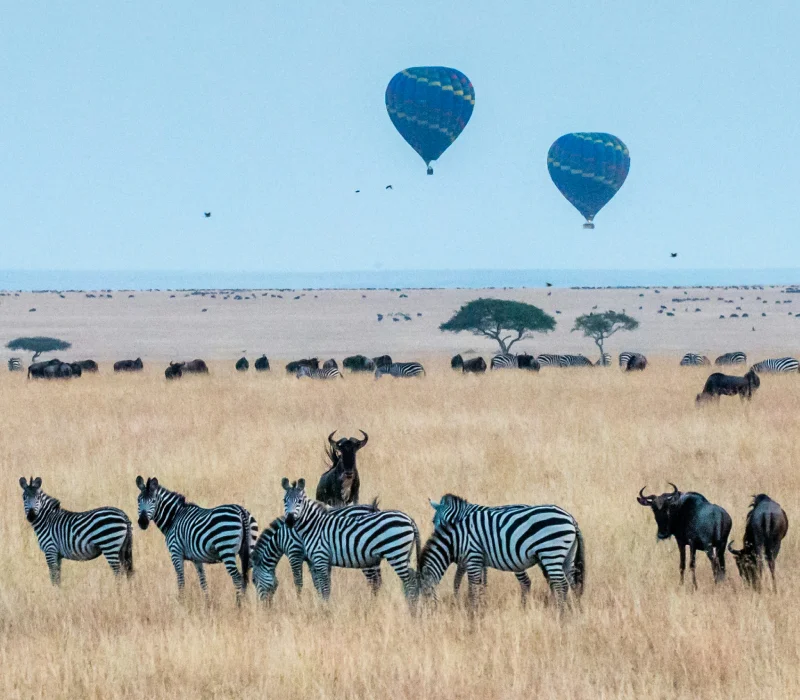
Maasai Mara, a spectacularly famous and ecologically rich African savanna wilderness situated within Kenya's Great Rift Valley, offers an elite destination, seamlessly pairing iconic Great Migration spectacles with vibrant culture.
Destination
Travel experiences in Maasai Mara
Popular packages
Showing 1 packages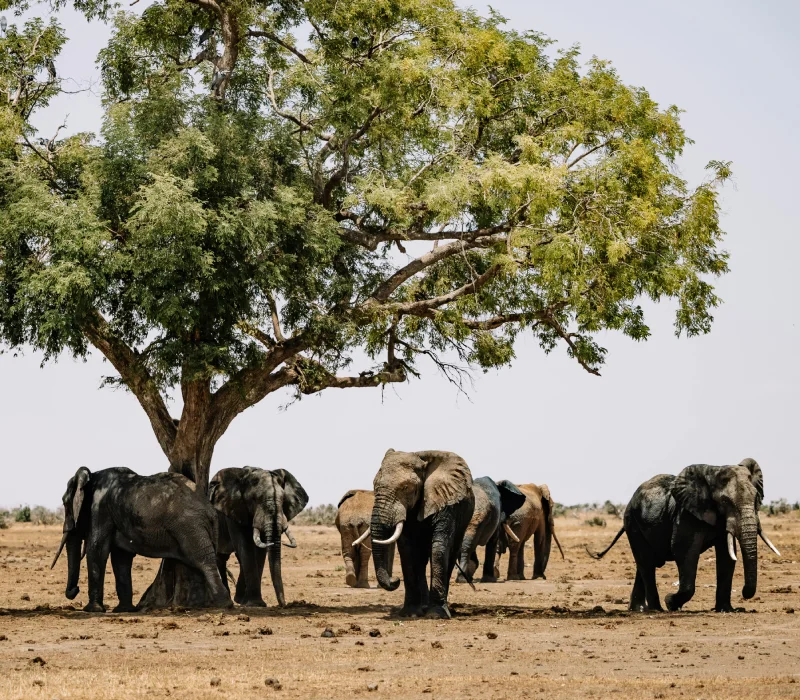 Citizen
3-Day Maasai Mara Weekend Getaway: The Great Escape
Commemorate Madaraka Day with an exhilarating safari to the world-famous Maasai Mara. Departing fro…
from
Ksh. 30,300All packages loaded for this destination.
Guide
About Maasai Mara
Sited majestically along the northern stretch of the vast Serengeti-Mara ecosystem in southwestern Kenya, the world-renowned Maasai Mara National Reserve stands globally as an unrivaled epicentre of savanna biodiversity, apex predator densities, and pioneering indigenous land conservation. Established originally in 1961 as a wildlife sanctuary, this fast-evolving conservation haven effortlessly pairs its raw, untamed African wilderness with luxury eco-certified safari hospitality networks. Operating internationally as the foundational jewel of Kenya’s wildlife tourism industry, the reserve functions as a vital region where open grasslands, riverine forests, and acacia woodlands exist harmoniously alongside private community conservancies, pastoral Maasai homesteads, and sustainable eco-tourism initiatives.
The physical geography of the Maasai Mara is beautifully defined by its dramatic open plains and riverine contrasts, transitioning rapidly from the iconic flat-topped acacia ridge tops to the fertile floodplains of the Mara and Talek Rivers. The central ecosystem depends entirely on these permanent watercourses, which sustain millions of herbivorous mammals and dense predator populations throughout the dry seasons. To protect this fragile environmental framework from the modern threats of climate variability, human-wildlife conflict, and unsustainable land division, regional conservancy management bodies enforce strict land-use guidelines. These localized frameworks prioritize community-owned wildlife corridors, ensuring that the destination's unique microclimate and seasonal grazing routes stay thoroughly protected.
Beyond its central tourist sectors, the ecosystem showcases unparalleled ecological milestones managed directly by local Maasai landowners and conservation partners. The world-renowned Mara conservancies surround the main reserve, representing a groundbreaking model of community-led wilderness stewardship where private landowners lease grazing acreage for wildlife protection. Visitors exploring these private conservancies can enjoy exclusive night game drives, guided walking safaris, and off-road wildlife tracking that are restricted within public park boundaries. This highly protected sanctuary model relies heavily on strict visitor density limits, which prevent habitat disruption while generating guaranteed monthly rental income for indigenous Maasai families.
Turning toward its cultural human footprint, the landscape reveals extraordinary community preservation triumphs managed in close partnership with traditional Maasai elders. Living alongside the reserve boundaries, the Maasai people have coexisted with wild animals for centuries, maintaining their traditional pastoral lifestyle, colorful shúkà attire, and vibrant cultural dances. Visiting authentic local Enkang homesteads allows global travelers to interact closely with local communities, learning ancient bush survival skills and traditional beadwork techniques. These authentic cultural encounters channel critical tourism revenue directly into village water wells, mobile health clinics, and educational scholarships for local youth across Narok County.
Logistically, exploring the vibrant wildlife and cultural landscapes of the Maasai Mara is an exceptionally smooth, well-connected, and professional experience anchored by multiple regional airstrips such as Keekorok, Ol Kiombo, and Mara Serena. These bush aviation hubs provide seamless daily domestic flight connections from Nairobi’s Wilson Airport, allowing travelers to reach the reserve within forty-five minutes. Internal transit across the reserve is executed efficiently via specialized 4x4 Land Cruisers driven by professional safari guides who navigate the vast dirt trail networks with ease. Accommodation choices across the Mara span a fantastic spectrum of world-class luxury, ranging from historic canvas tented camps overlooking river hippos to ultra-luxury, eco-certified lodges nestled atop private hillsides.
Sustainable environmental governance and low-impact eco-tourism remain the structural pillars of the Maasai Mara's modern development strategy, supported actively by the Narok County Government and the Maasai Mara Wildlife Conservancies Association. Important conservation gates, ranger outposts, and luxury camps utilize modern digital ticketing systems and strict solar-powered operational guidelines to reduce carbon footprints and plastic waste. Visitors are strongly encouraged to utilize certified local guides, respect animal viewing distances, and support community-managed craft centers. This forward-thinking balance of wildlife protection, indigenous empowerment, and low-impact safari tourism guarantees that the Mara’s golden horizons, roaring lions, and timeless spirit remain perfectly safeguarded for future generations.
Map
Maasai Mara map
-1.488900, 35.144400
Destination FAQs
When is the best time of year to witness the Great Migration in the Maasai Mara?
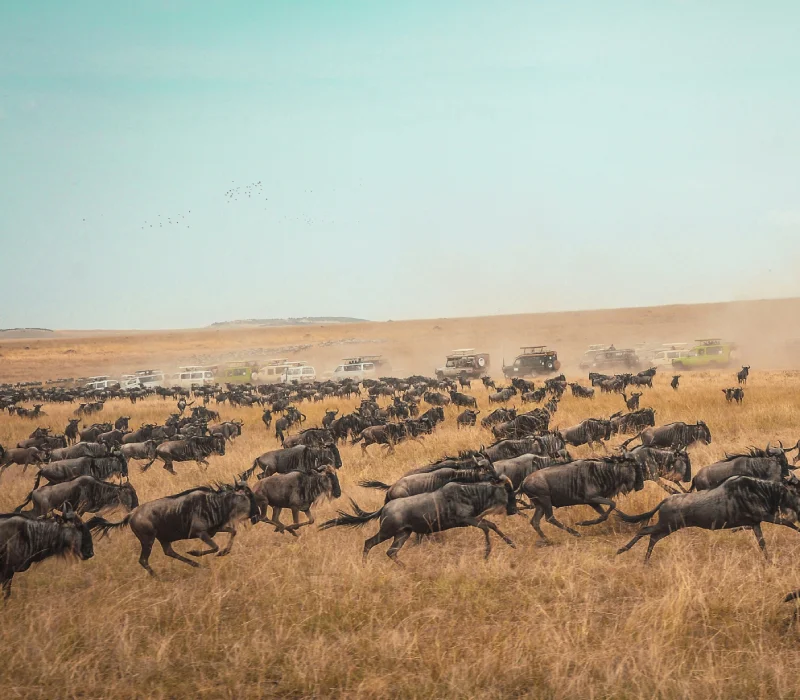
The Great Migration typically arrives in the Maasai Mara between July and October, when over 1.5 million wildebeest, zebras, and gazelles cross from the Serengeti in search of fresh pasture. August and September offer the best chance to see the dramatic Mara River crossings.
What is the difference between the Maasai Mara National Reserve and private Mara conservancies?
The National Reserve is publicly managed with open access to all tourists, while private conservancies are unfenced lands leased from Maasai landowners. Conservancies offer more exclusive viewing with fewer vehicles, night game drives, off-road tracking, and bush walks not permitted in the main reserve.
How do travelers reach the Maasai Mara from Nairobi?
Travelers can take a 45-minute domestic flight from Nairobi’s Wilson Airport directly to one of the Mara’s bush airstrips, or travel overland in a 4x4 safari vehicle, which takes approximately 5 to 6 hours via Narok town.
Are hot air balloon safaris available in the Maasai Mara, and when do they operate?
Yes, hot air balloon safaris operate daily at dawn across various sectors of the Mara. The experience includes a sunrise flight over the plains followed by a champagne bush breakfast upon landing.
Can visitors see all of the "Big Five" animals in the Maasai Mara?
-Yes, the Maasai Mara is home to all "Big Five" animals (lion, leopard, elephant, buffalo, and rhino). While lions, elephants, and buffalos are frequently spotted, leopards and endangered black rhinos are more elusive and require an experienced guide to track.
Why book Maasai Mara with us?
- Tailored itineraries: We design every itinerary with local insight and flexible travel dates.
- Trusted local teams: Our guides, transfers, and accommodation partners are selected for comfort and reliability.
- Simple planning: Get itinerary support, transport, and booking assistance from one dedicated team.