Destination spotlight
Mombasa
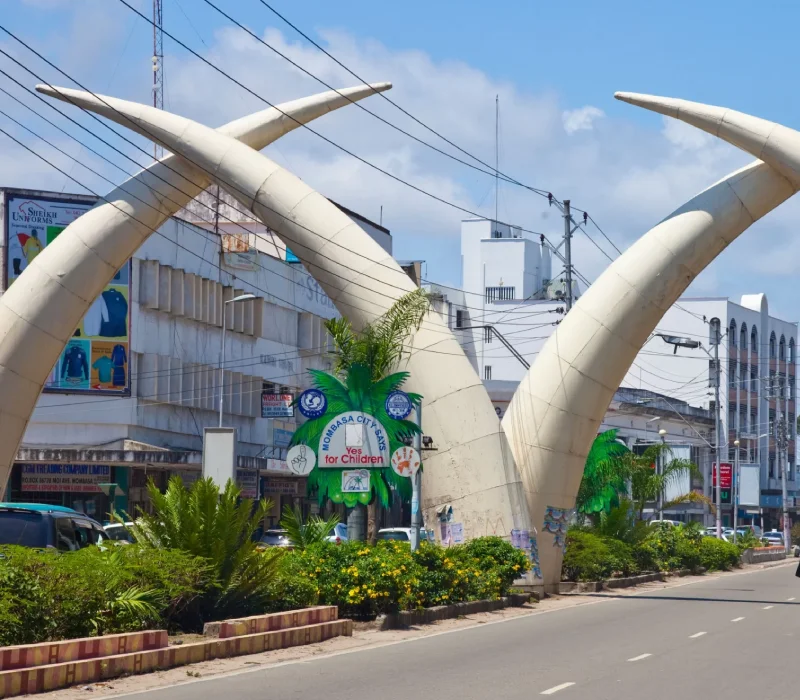
Mombasa, a spectacularly historic and vibrant coastal island city situated along Kenya's tropical Indian Ocean shoreline, offers an elite getaway, seamlessly pairing centuries-old Swahili heritage with pristine white-sand beaches.
Destination
Travel experiences in Mombasa
Popular packages
Showing 1 packages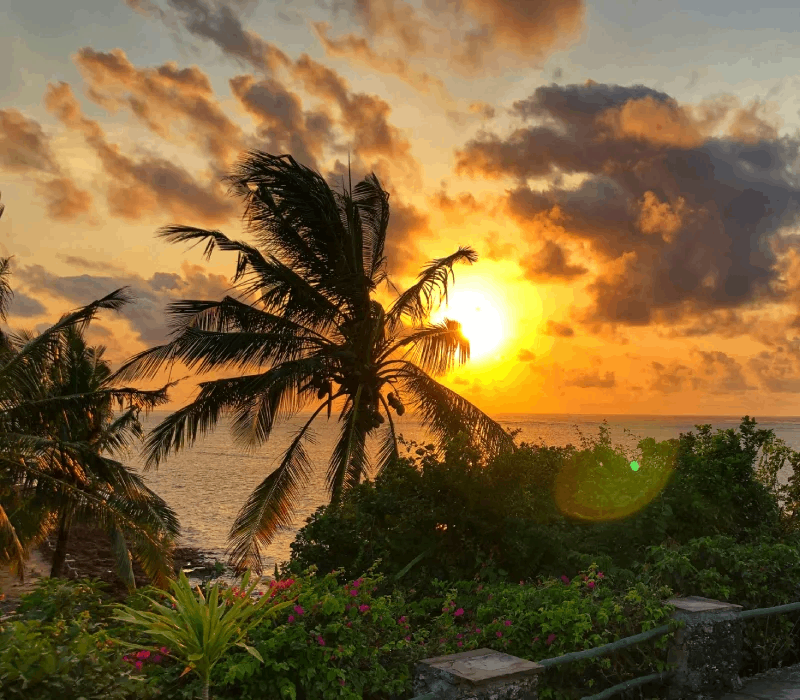 Citizen
4 Days 3 Nights Mombasa Family Holiday Package
The 4-Day 3-Night Mombasa Family Package by Vacations East Africa is an all-inclusive coastal holid…
from
Ksh. 131,500All packages loaded for this destination.
Guide
About Mombasa
Sited majestically on a coral island separated from the mainland by two natural harbors, the historic coastal metropolis of Mombasa stands globally as an unrivaled epicentre of maritime commerce, rich Swahili heritage, and pioneering marine ecosystem conservation. Flourishing for centuries as a prominent Indian Ocean trading hub, this fast-evolving tropical destination effortlessly pairs its profound archaeological roots with an energetic, modern coastal lifestyle. Operating internationally as a foundational logistics and resort gateway for East Africa, the city functions as a vital region where ancient Portuguese fortresses, busy spice markets, and historic carved wooden doorways exist harmoniously alongside luxury oceanfront resorts, active international shipping lanes, and sustainable eco-tourism networks.
The physical geography of Mombasa is beautifully defined by its island setting and tropical marine contrasts, transitioning rapidly from the bustling harbor channels of Kilindini and Tudor Creek to the broad, palm-fringed coral shorelines of North and South Coast beaches. The surrounding coastal environment relies heavily on extensive mangrove forests and shallow fringing reefs that protect the low-lying island from ocean waves and shoreline erosion. To protect this fragile environmental framework from the modern threats of industrial port expansion, maritime pollution, and climate change, regional marine conservation authorities enforce strict environmental guidelines. These localized frameworks prioritize the aggressive restoration of degraded mangrove swamps, ensuring that the destination's unique marine microclimate stays thoroughly protected.
Beyond its central commercial districts, the city's coastal borders showcase unparalleled ecological triumphs managed in close partnership with local conservationists. The world-renowned expanse ofHaller Park stands as a completely unique global marvel, representing a transformed, rehabilitated quarry site that now thrives as a lush, biodiversity sanctuary home to giant tortoises, hippos, giraffes, and birdlife. Nearby, the protected waters of Mombasa Marine National Park allow visitors to explore translucent coral gardens filled with colorful reef fish, sea turtles, and rays. This highly protected marine ecosystem relies heavily on strict non-extraction zones, which completely prohibit commercial fishing inside park boundaries, providing an essential nursery for vulnerable tropical sea life.
Turning toward its historic urban core, the landscape reveals extraordinary cultural triumphs managed in partnership with the National Museums of Kenya. In the heart of Mombasa Old Town, centuries of Arab, Portuguese, Indian, and British influences intersect within a maze of narrow streets, carved Swahili balconies, and aromatic spice shops. Overlooking the harbor, the monumentalFort Jesus Museum, built by the Portuguese in 1593, stands as a UNESCO World Heritage Site showcasing centuries of military and maritime battles. These preserved historical precincts allow global travelers to interact closely with local heritage, channeling critical tourism revenue directly into historic building preservation, artisan woodcarving cooperatives, and community-led heritage walking tours.
Logistically, exploring the vibrant cultural and coastal landscapes of Mombasa is an exceptionally smooth, well-connected, and professional experience anchored by Moi International Airport. Located on the mainland, this major aviation hub provides seamless direct international and domestic flight connections from Nairobi and global capitals. Internal transit across the city is executed efficiently via modern bridges, the Likoni Ferry, high-speed SGR train connections at Mombasa Terminus, and local tuk-tuks that ferry travelers across districts. Accommodation choices across Mombasa span a fantastic spectrum of world-class luxury, ranging from historic heritage hotels in the city center to sprawling, five-star beachfront eco-resorts nestled alongDiani Beach and Bamburi.
Sustainable environmental governance and low-impact heritage tourism remain the structural pillars of Mombasa's modern development strategy, supported actively by local municipal associations and tourism boards. Important historical monuments, marine parks, and community wildlife centers utilize modern digital ticketing systems and sustainable operational guidelines to manage visitor traffic, ensuring that tourism commerce directly benefits local residents and conservation initiatives. Visitors are strongly encouraged to utilize certified local guides, patronize authentic Swahili eateries, and support marine cleanup drives. This forward-thinking balance of economic progress, cultural preservation, and strict marine protection guarantees that Mombasa’s historical streets, azure waters, and warm coastal soul remain perfectly safeguarded for future generations.
Map
Mombasa map
-4.043500, 39.668200
Destination FAQs
What is the historical significance of Fort Jesus in Mombasa?
Built by the Portuguese in 1593 to protect their trade route to the East, Fort Jesus is a UNESCO World Heritage Site and one of the finest surviving examples of 16th-century Portuguese military architecture on the East African coast.
How do travelers commute between Mombasa Island and the South Coast beaches like Diani?
Travelers route from Mombasa Island to the South Coast via the Likoni Ferry channel or the Dongo Kundu Bypass highway, connecting smoothly toDiani Beach via road transport in under an hour.
What is the best time of year to visit Mombasa for a beach holiday and snorkeling?
The optimal time to visit Mombasa is during the dry, warm months from October to March and July to September, when sea conditions are exceptionally calm, offering crystal-clear water visibility for snorkeling and diving.
What makes Haller Park a unique ecological site in Mombasa?
Haller Park is a world-famous ecological restoration achievement. Originally a barren limestone cement quarry, it was transformed into a thriving park and sanctuary that now hosts diverse wildlife, forest trails, and freshwater fish farms.
Can international travelers easily arrive in Mombasa by train from Nairobi?
Yes, the high-speed Madaraka Express SGR train offers a comfortable and scenic 5-hour journey between Nairobi and Mombasa Terminus daily, making travel between Kenya's capital and the coast extremely convenient.
Why book Mombasa with us?
- Tailored itineraries: We design every itinerary with local insight and flexible travel dates.
- Trusted local teams: Our guides, transfers, and accommodation partners are selected for comfort and reliability.
- Simple planning: Get itinerary support, transport, and booking assistance from one dedicated team.